


No products in the cart.
Latin Dance Knowledge
The Evolution of Latin Dance: From Traditional to Modern Styles
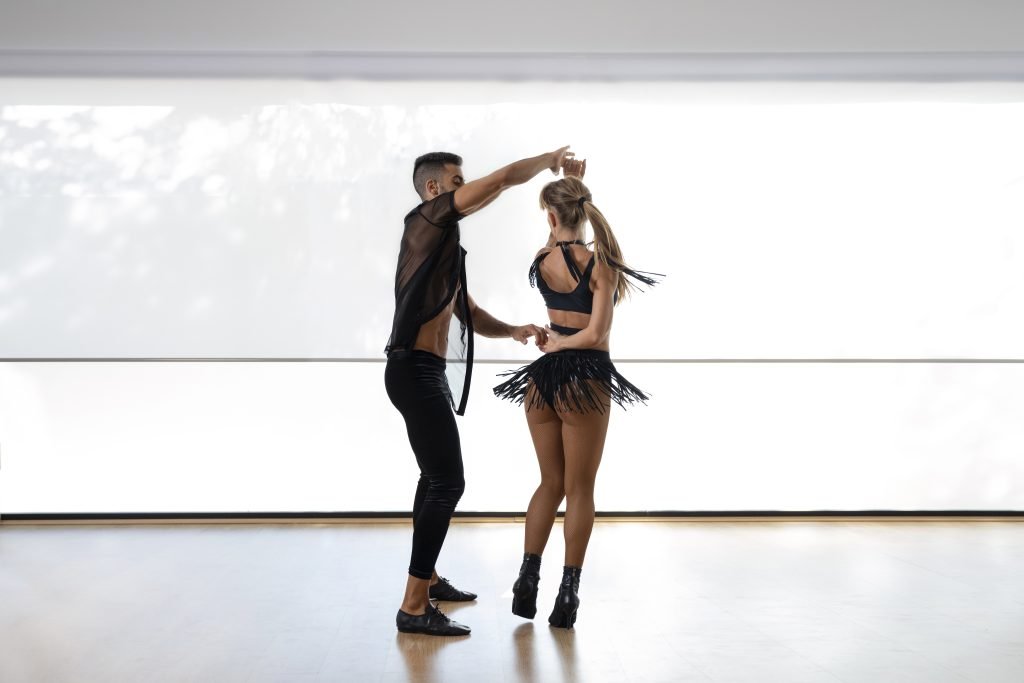
Latin dance has evolved from deep cultural roots to a worldwide phenomenon, blending traditional rhythms with modern influences. Today, Salsa, Bachata, Kizomba, and Reggaeton thrive in dance studios, clubs, and international festivals. But how did Latin dance develop into what it is today? Let’s explore its journey from traditional folk dances to today’s global styles.
1. The Roots of Latin Dance: African & Indigenous Influences
Latin dance traces back to Africa, the Caribbean, and Indigenous cultures, where rhythmic movement was a core part of music, storytelling, and celebrations.
✔ African Influence: Drumming, hip movements, and call-and-response rhythms shaped dances like Samba, Merengue, and Salsa.
✔ Indigenous Influence: Native tribes contributed circular formations and symbolic movements in folk dances.
✔ European Influence: Spanish and Portuguese colonization introduced partner dancing, structured steps, and instruments like the guitar.
💡 The fusion of these cultural elements gave birth to the vibrant Latin dances we know today.
2. Classic Latin Dance Styles & Their Origins
By the 20th century, Latin dance took on distinct styles, each with its own cultural flavor.
💃 Salsa (Cuba & Puerto Rico) – A fusion of Afro-Cuban Son, Mambo, and Jazz, Salsa became the king of Latin dance, thriving in New York nightclubs in the 1970s.
💃 Bachata (Dominican Republic) – Originating as a guitar-based folk dance, Bachata was once considered “music of the poor” before evolving into a beloved social dance worldwide.
💃 Samba (Brazil) – Rooted in African traditions, Samba became the heartbeat of Brazil, known for its high-energy steps and its role in Rio’s Carnival celebrations.
💃 Cha Cha Cha (Cuba) – Born from Mambo music, Cha Cha Cha became a worldwide ballroom and social dance staple in the 1950s.
💃 Merengue (Dominican Republic) – Featuring simple two-step movement, Merengue became the Dominican national dance and remains a fun, accessible social dance.
💡 These traditional styles became the foundation for today’s global Latin dance scene.
3. The Rise of Latin Dance in Pop Culture
By the late 20th century, Latin dance exploded into mainstream music and entertainment.
✔ Movies & TV: Films like Dirty Dancing: Havana Nights and Dance with Me fueled worldwide interest.
✔ Ballroom & Competition: Latin dance became a competitive sport in ballroom circuits.
✔ Reggaeton & Urban Latin Dance: The rise of artists like Daddy Yankee, J Balvin, and Bad Bunny introduced Reggaeton to Latin clubs.
💡 Modern Latin dance now includes elements of hip-hop, urban styles, and even electronic beats.
4. The Evolution of Bachata & Sensual Styles
Over the last 20 years, Bachata has transformed significantly.
✔ Traditional Dominican Bachata – Fast footwork, small partner connection, and bouncy steps.
✔ Modern Bachata – Incorporates influences from Salsa and R&B, creating a more stylish and dramatic dance.
✔ Sensual Bachata – Focuses on body rolls, isolations, and deep musical connection.
💡 What started as a simple folk dance is now a diverse global style with multiple variations!
5. Kizomba & the Afro-Latin Dance Movement
Kizomba, originally from Angola, has become a huge part of Latin dance culture worldwide.
✔ Smooth, flowing movements with a deep connection between partners.
✔ Influenced by Zouk, Semba, and Afro-Caribbean rhythms.
✔ Now danced alongside Salsa & Bachata at social events and festivals.
💡 Kizomba’s slow, relaxed style has gained massive popularity in Latin dance communities worldwide.
6. Latin Dance Today: A Global Movement
Today, Latin dance is a global sensation with millions of dancers, festivals, and social events worldwide.
✔ Latin dance is taught in cities across the world, from Sydney to Tokyo to New York.
✔ Dance festivals, competitions, and social events attract thousands of dancers annually.
✔ Latin styles continue evolving with influences from hip-hop, EDM, and contemporary music.
💡 Latin dance has gone from local traditions to an international movement connecting people everywhere.
Why Learn Latin Dance at La Fiesta Dance Factory?
At La Fiesta Dance Factory, you can experience both traditional and modern Latin dance styles in a fun and welcoming environment.
✔ Salsa, Bachata, Kizomba, Samba, Reggaeton & more!
✔ Beginner-friendly classes with expert instructors.
✔ A vibrant dance community where you can grow and connect.
✔ No partner required—just bring your energy and enthusiasm!
Check out their Latin dance classes Sydney and become part of Latin dance history!
FAQ – The Evolution of Latin Dance
Q1: How did Latin dance start?
A: Latin dance originated from African, Indigenous, and European influences, blending rhythm, music, and storytelling into structured dances.
Q2: Which Latin dance has changed the most over time?
A: Bachata has evolved from a folk dance to Sensual Bachata, incorporating modern influences from R&B and urban dance.
Q3: Why is Latin dance so popular today?
A: Latin dance is social, fun, and adaptable, making it accessible to people worldwide. Plus, it’s a great workout!
Q4: Can I learn both traditional and modern Latin dance?
A: Yes! Many dancers start with traditional Salsa or Bachata and later explore urban, fusion, or sensual styles.
Q5: How do I start learning Latin dance?
A: Sign up for Latin dance classes Sydney and start your journey today!