


No products in the cart.
Music & Culture
How Latin Music and Dance Are Connected
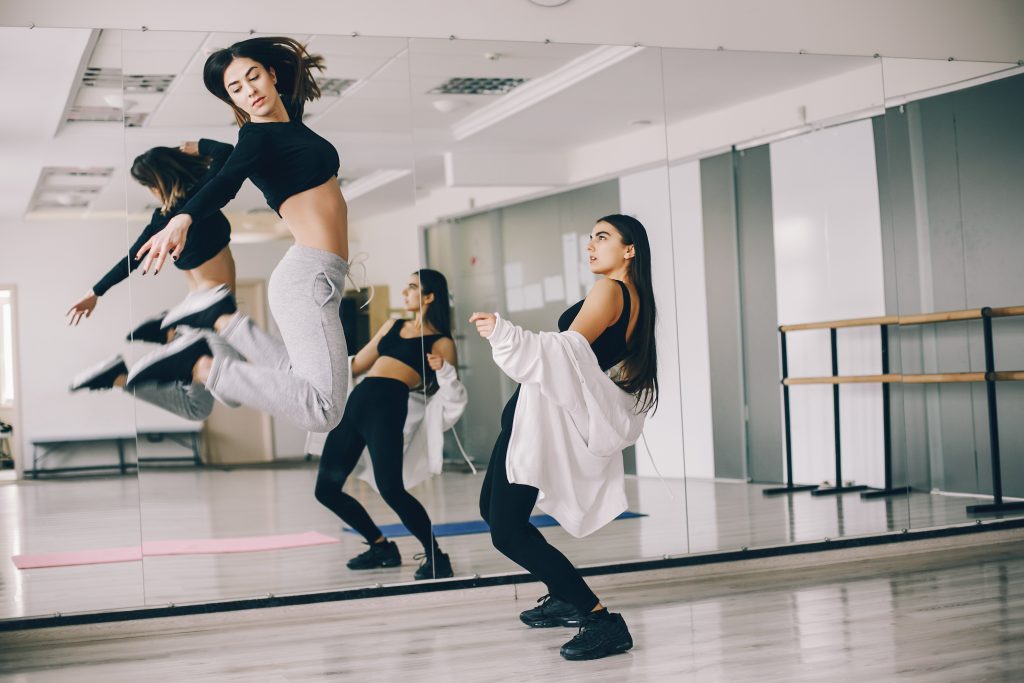
Latin dance wouldn’t exist without Latin music—they are deeply connected, each influencing the other in a way that creates a unique and powerful form of expression. Whether it’s the fast beats of Salsa, the sensual rhythms of Bachata, or the deep bass of Kizomba, the music sets the tone for how we move.
But how exactly are Latin music and dance connected, and why does understanding this connection make you a better dancer? Let’s dive in!
1. The Rhythm Dictates the Dance
✔ Every Latin dance style has its own rhythm pattern—this determines the timing of the steps.
✔ The beat tells dancers when to move, creating the structure of the dance.
✔ If you understand the rhythm, you’ll never feel lost on the dance floor!
💡 Example: Salsa has a “quick-quick-slow” rhythm (1-2-3, 5-6-7), while Bachata follows a “step-step-step-tap” pattern (1-2-3, tap, 5-6-7, tap).
2. Musical Instruments Shape the Movement
Each Latin dance is influenced by specific instruments in the music:
🥁 Salsa (Cuba & Puerto Rico) – Driven by Clave, Congas, Bongos, and Trumpets.
💃 Effect: Fast, energetic footwork with spins and sharp turns.
🎸 Bachata (Dominican Republic) – Features Guitar, Bass, and Bongos.
💃 Effect: Smooth, flowing steps with natural hip movement.
🎶 Kizomba (Angola & Cape Verde, now popular in Latin scenes) – Has deep bass, synth sounds, and slow percussion.
💃 Effect: Slow, grounded movements with a close connection between partners.
🥁 Samba (Brazil) – Powered by Surdo drums, Tamborim, and Agogô bells.
💃 Effect: Fast footwork with a signature bounce motion.
💡 When you listen to the instruments, you’ll understand how to move with the music.
3. Music Influences the Energy of the Dance
✔ Fast, percussive music = sharp movements and high-energy dancing.
✔ Smooth, melodic music = soft, flowing movements.
✔ Heavy bass and deep beats = grounded and controlled steps.
💡 Dancing is about matching your energy to the mood of the song!
4. Different Music Styles Create Different Dance Variations
As music evolves, so does the dance!
✔ Traditional Bachata (Dominican style) – Uses live guitars and a bouncy rhythm, leading to more footwork.
✔ Modern/Sensual Bachata – Features urban influences and slower beats, which leads to more body movement.
✔ Old-school Salsa (Cuban Son style) – Focuses on rhythmic footwork and classic body movement.
✔ Modern Salsa (NY & LA style) – More influenced by jazz and pop, leading to dramatic turns and styling.
💡 Music shapes how Latin dance styles develop over time!
5. Musical Breaks & Accents Affect Movement
✔ Latin music often has pauses, accents, and breaks—great dancers use these moments for styling.
✔ Hitting these accents with a body roll, spin, or pause makes your dancing feel natural.
✔ The best dancers don’t just step to the beat—they express the music with their whole body!
💡 Listen for moments in the music where you can add expression!
6. Partner Connection & Musicality
✔ In partner dancing, both dancers follow the rhythm together—this creates harmony.
✔ The leader listens to the music and adjusts the movements to match the energy of the song.
✔ The follower responds to the music through the lead’s signals.
💡 A good leader dances with the music, and a good follower feels the rhythm and responds naturally.
7. Learning Musicality Makes You a Better Dancer
If you struggle with dancing on beat, try these exercises:
🎧 Listen to Latin music daily – Get used to the rhythms before you step.
👏 Clap or tap along – Find the beat before moving.
👣 Step in place while counting – Match your movements to the music.
🎼 Break down the instruments – Identify key sounds that guide your dancing.
💡 Great dancers don’t just memorize steps—they FEEL the music!
Why Learn Latin Dance at La Fiesta Dance Factory?
At La Fiesta Dance Factory, we teach more than just dance steps—we help you understand Latin music, rhythm, and musicality so you can dance with confidence.
✔ Beginner-friendly classes that break down the connection between music and movement.
✔ Musicality training to help you dance on beat.
✔ A welcoming dance community where you can practice with live music.
✔ Styles include Salsa, Bachata, Kizomba, Samba & more!
Check out their Latin dance classes Sydney and start dancing with rhythm today!
FAQ – Latin Music & Dance Connection
Q1: How do I know which beat to step on?
A: Listen for the downbeat (strongest beat in the measure) and match your steps to it.
Q2: What’s the best way to improve my musicality?
A: Listen to Latin music daily, tap the beat, and practice stepping in time.
Q3: Why do some songs feel harder to dance to?
A: Some Latin songs have syncopation or complex rhythms—start with slower, clear-beat songs first.
Q4: Can I dance without knowing the music?
A: You can, but understanding the music makes your dancing look and feel more natural.
Q5: Where can I improve my musicality for Latin dance?
A: Join Latin dance classes Sydney for expert rhythm training!